
Services
Legacy System Modernization
Modernize legacy PHP, Classic ASP, VB6 and database systems with a controlled migration path to secure, maintainable infrastructure.
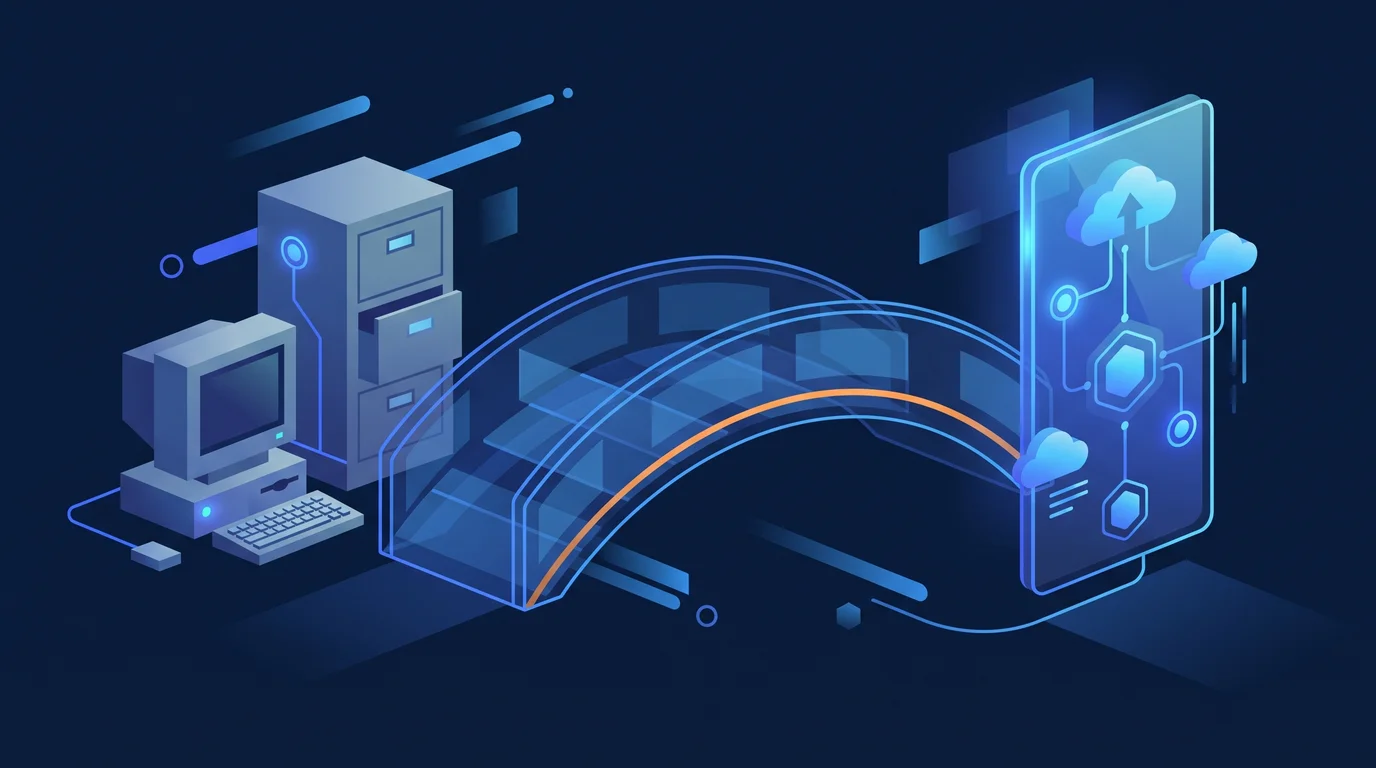
The system you launched ten years ago is still running, but no one fully understands how it works anymore. You cannot find developers for it, security patches cannot be applied, and adapting it to new business requirements has become impossible. The number of developers who will touch Classic ASP, VB6 or old PHP shrinks every year; shutting it down is risky, keeping it as-is grows more dangerous and turns into technical debt with every passing day.
Our Solution Approach
At Barlas Dijital, we approach legacy modernization not as a binary choice — “rewrite everything at once” or “don’t touch a thing” — but as a broad spectrum of strategies. Every project begins with a thorough discovery phase: the existing system’s business rules are documented, critical functions are mapped, and data structures are analyzed. With 20+ years of software experience, we understand the complexity of entrenched systems and how to renew them in a controlled way.
Scope & Features
- Classic ASP / VBScript modernization — Phased migration to .NET, Node.js or modern web frameworks
- PHP 4/5 systems — Conversion to modern PHP 8+ or Node.js/Python alternatives
- VB6 / VBA desktop applications — Migration to browser-based web application or Electron
- Access / FoxPro databases — Safe migration to PostgreSQL or MSSQL; data integrity preserved
- Decomposing monolithic architectures — Phased transition to modular REST API-based architecture
- Business rule preservation — Undocumented behaviors of the existing system matched exactly in the new one
- Parallel operation period — Old and new systems kept active simultaneously; risk-free transition
- User training and transition support — Team adaptation to the new system, help materials and ongoing support
Technical Standards
The target technology for modernization is determined by the project’s needs: Node.js and TypeScript, Python, or .NET options are evaluated. Data migrations are carried out to PostgreSQL or MSSQL with validation steps. Each phase is managed with milestones; scope creep and timeline risk are minimized through regular checkpoints.
Who Is It For?
- Companies running Classic ASP, PHP 5 or VB6 who cannot find developers
- Legacy systems that cannot receive security updates and carry regulatory or data-protection audit risk
- Businesses struggling with the constraints of an old system as they grow, unable to meet new business requirements
Expected Outcomes
- System meets current security standards; known vulnerabilities are closed and patching becomes possible
- New developers can onboard to the project; development and maintenance costs decrease
- Time to adapt to new business requirements shortens; growth is no longer dependent on the system
- Business rules and historical data are preserved without loss; post-migration operations continue safely
Frequently Asked Questions
Does the whole system have to be replaced at once?
No. We treat modernization not as a choice between rewriting everything at once and touching nothing, but as a broad spectrum of strategies. Phased migration is possible for Classic ASP and monolithic architectures, and a parallel operation period where the old and new systems stay active at the same time can be applied.
The old system has undocumented behaviors that only show up in daily use. Will they be lost?
Every project begins with a thorough discovery phase; the existing system's business rules are documented, critical functions are mapped and data structures are analyzed. Matching those undocumented behaviors exactly in the new system is handled under business rule preservation.
What happens to our historical data in an Access or FoxPro database?
Access and FoxPro databases are migrated to PostgreSQL or MSSQL. Data migrations are carried out with validation steps and data integrity is preserved.
How is the technology for the new system decided?
The target technology is determined by the project's needs; Node.js and TypeScript, Python or .NET options are evaluated. VB6 and VBA desktop applications, for example, can be migrated to a browser-based web application or to Electron.
Clarify This Need
Share the current process, the system you use and the outcome you expect. We will turn it into a practical first scope.
Discuss the SolutionWhatsApp UsProjects Where We Used This Service
Modular Windows diagnostics and repair tool with PowerShell 5.1. 11+ modules, network diagnostics, system cleanup and single-script self-healing approach.
BQR.app: Dynamic QR Code Management PlatformREST API-based dynamic QR code management platform with PHP Slim 4. PHPMailer integration, form management and tracking system.
B2B Industrial E-Commerce and Digital IdentityBrand guide, corporate materials and a B2B e-commerce platform for the industrial sector. Virtual POS and order infrastructure included.
Corporate Website ModernizationFast, fully responsive corporate website built with Astro 5 and Cloudflare Workers, optimized for technical SEO and millisecond loads.