
Services
E-commerce Site Setup & Development
Launch an e-commerce site with Shopify, WooCommerce, OpenCart or custom infrastructure, including payment, shipping, inventory, order and reporting flows.
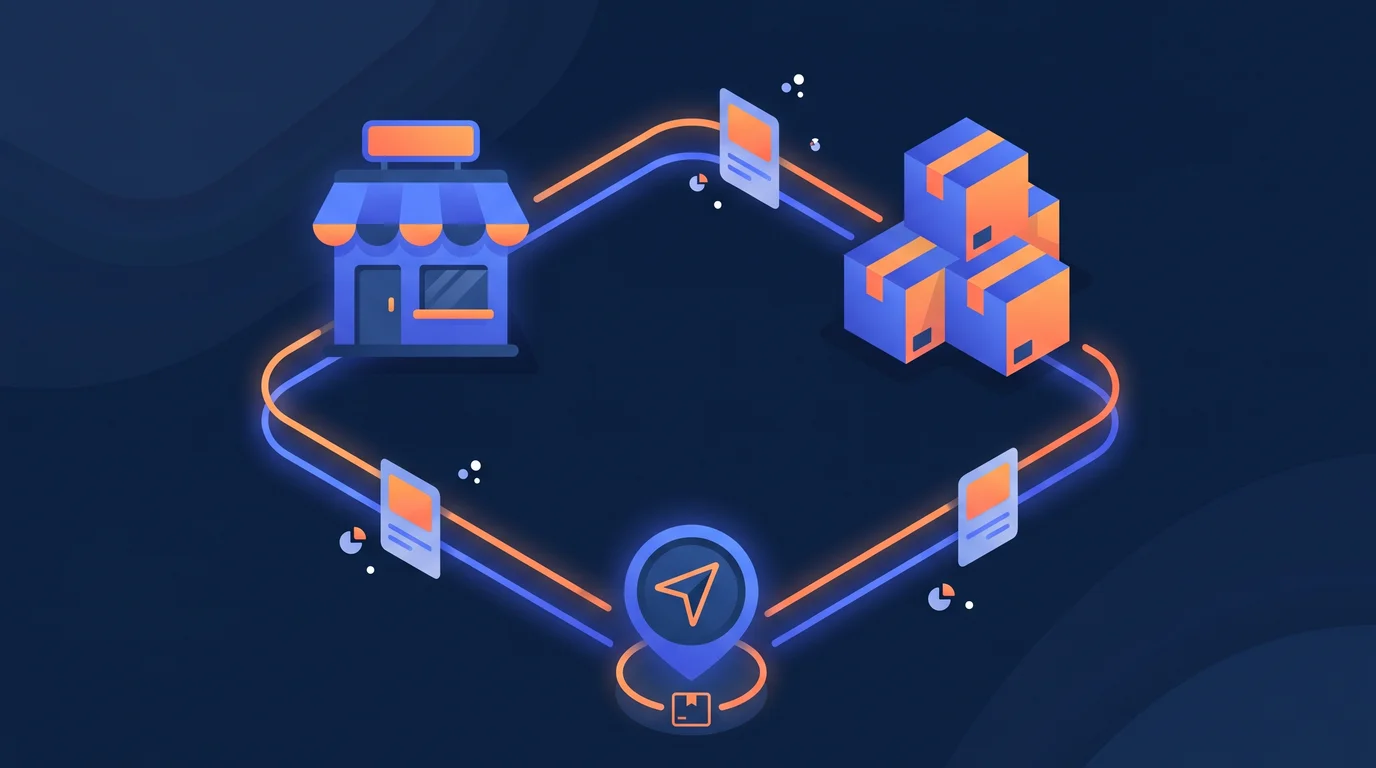
Businesses looking to move into online sales or scale their existing e-commerce infrastructure face dozens of platform options and conflicting integration requirements. A poor platform choice is not felt at first; but when you hit a customization wall as the project progresses, or when a shipping integration breaks down, it turns into serious operational crises. An incomplete setup doesn’t just cost you orders — it also damages customer trust.
Our Solution Approach
We begin e-commerce projects with a business requirements analysis. Catalog size, expected order volume, customization needs, and the necessity of integrating with existing ERP or accounting systems are assessed to determine the most appropriate platform. Once the platform selection is made, the integration map is drawn and all components are planned simultaneously — a system built correctly from the start causes far fewer problems than integrations added later.
Scope & Features
- Platform setup and customization — Shopify, WooCommerce, OpenCart or custom infrastructure; not a standard template, but a structure suited to your business
- Product catalog management — Multiple variants, category hierarchy, bulk product import, and SEO-focused product page structure
- Payment infrastructure integration — Virtual POS, 3D Secure, installment and payment-status synchronization
- Marketplace synchronization — Stock, price and order-flow automation for marketplace channels
- Shipping integration — Automated shipping label, tracking number and delivery-status flows
- Stock and order management — Centralized stock tracking, low-stock alerts, and order status workflows
- Customer panel — Order history, tracking, return request, and address management
- ERP and accounting integration — Bidirectional synchronization of orders, invoices and stock movements with back-office systems
Technical Standards
All e-commerce sites are delivered with mandatory SSL, PCI-DSS compliance requirements, and a Cloudflare security layer. Custom infrastructure projects are developed on a React.js + Node.js + PostgreSQL stack and delivered in an architecture suitable for horizontal scaling. A mobile Lighthouse performance score of 85+ is targeted.
Who Is It For?
- Businesses that only sell on marketplaces and want to open their own store to gain brand independence
- Companies whose existing e-commerce site has become inadequate with growth and need to rebuild their infrastructure
- Operations teams that want to manage stock and orders across different channels (own site + marketplaces) from a single point
Expected Outcomes
- Direct customer relationships and brand control, independent of marketplace commissions
- Operations managed through automated workflows where manual workload does not increase as order volume grows
- Reduction of human error in shipping and accounting processes through integrated shipping and ERP
- Strengthening of sales through organic channels as product pages and site structure are optimized for SEO
Frequently Asked Questions
How do we decide between Shopify, WooCommerce and OpenCart?
The platform choice is made through a business requirements analysis: catalog size, expected order volume, customization needs and integration requirements with your existing ERP or accounting systems are assessed. If off-the-shelf platforms do not cover the need, custom infrastructure is also an option. Once the decision is made, the integration map is drawn and all components are planned together from the start.
We sell both on our own site and on marketplaces; can we manage stock and orders from one place?
Yes, automation of stock, price and order flows for marketplace channels is part of the scope. Centralized stock tracking, low-stock alerts and order status workflows let you manage different channels from a single point. On the shipping side, label, tracking number and delivery-status flows also run automatically.
How do we proceed when we already have an ERP or accounting system?
Integration requirements with existing systems are assessed during the analysis phase and included in the integration map. Orders, invoices and stock movements are synchronized bidirectionally with back-office systems. A structure built correctly from the start causes far fewer problems than integrations added later.
What is the difference between an off-the-shelf platform and custom infrastructure?
On off-the-shelf platforms we handle setup and customization; the goal is a structure suited to your business rather than one squeezed into a standard template. Custom infrastructure projects are developed on a React.js, Node.js and PostgreSQL stack and delivered in an architecture suitable for horizontal scaling. In both cases a mobile Lighthouse performance score of 85+ is targeted.
Which standards are applied on the payment and security side?
All e-commerce sites are delivered with mandatory SSL, PCI-DSS compliance requirements and a Cloudflare security layer. On the payment side, virtual POS, 3D Secure, installment and payment-status synchronization are set up.
Clarify This Need
Share the current process, the system you use and the outcome you expect. We will turn it into a practical first scope.
Discuss the SolutionWhatsApp UsProjects Where We Used This Service
REST API-based dynamic QR code management platform with PHP Slim 4. PHPMailer integration, form management and tracking system.
B2B Industrial E-Commerce and Digital IdentityBrand guide, corporate materials and a B2B e-commerce platform for the industrial sector. Virtual POS and order infrastructure included.
Multi-Channel E-Commerce and ERP IntegrationA digital ecosystem that connects e-commerce, marketplace, ERP, inventory, product feed and iOS/Android mobile app flows through one data layer.
Corporate Website ModernizationFast, fully responsive corporate website built with Astro 5 and Cloudflare Workers, optimized for technical SEO and millisecond loads.
Writing on This Topic
Google clarified category and sale-date markup for products. See the correct JSON-LD structure and an implementation checklist for ecommerce sites.
Products Are Selling Inside AI Chats: Is Your Store Ready?Shopify is taking products into ChatGPT, Copilot and Google's AI surfaces. Here is the data and integration plan for this emerging sales channel.
Turkey's "Lowest Price in the Last 10 Days" Discount Rule: What Changes in SoftwareA discount advertising rule that took effect on 1 August 2026 directly affects e-commerce systems that keep no price history. What does it mean technically?
Trendyol Product API V1 Is Shutting Down: A 15 September 2026 ChecklistTrendyol Product V1 services go out of use on 15 September 2026. Which endpoints close, what changed in V2, and how to plan the migration.